
The Role of AI Chatbots in Modern Lead Conversion
The Role of AI Chatbots in Modern Lead Conversion

Most local businesses spend a lot of money getting people to their website. They invest in Google Ads, SEO, social media, landing pages, and referral campaigns to generate traffic.
But traffic alone does not create revenue.
The real value happens when a visitor takes action. They need to ask a question, schedule an appointment, request pricing, or speak with someone who can help. The problem is that many website visitors leave before ever becoming a lead.
AI chatbots help solve that gap.
Instead of letting visitors browse silently and disappear, AI chatbots create an instant conversation that guides people toward the next step.
The biggest advantage is immediate engagement. Most visitors arrive on a website with questions or uncertainty. They may want to know pricing, availability, service details, insurance information, turnaround time, or how the process works. If they cannot quickly find answers, they leave. AI chatbots help keep visitors engaged by responding instantly and making the experience more interactive.
This matters because online attention is short. People often compare several businesses at once, especially in competitive local industries like dental care, home services, med spas, legal services, and healthcare. The business that engages the visitor first usually has a better chance of converting them into a lead.
AI chatbots also reduce friction in the customer journey. Instead of forcing visitors to search through multiple pages or wait for a callback, the chatbot provides fast guidance in real time. This makes the process feel easier and more convenient, which increases the likelihood that the visitor will continue the conversation.
Another major benefit is lead capture. Many visitors are interested but not ready to immediately call or book. Without engagement, those visitors often leave without sharing any information. AI chatbots help collect names, phone numbers, emails, and service requests before the visitor exits the site. This gives businesses an opportunity to follow up later instead of losing the lead completely.
AI chatbots also improve lead qualification. Rather than only gathering contact information, they can ask targeted questions about customer needs, urgency, budget, location, or appointment preferences. This helps businesses identify higher-quality leads and prioritize follow-up more effectively.
Availability is another key advantage. Website traffic does not stop when the office closes. Many people browse at night, during weekends, or while businesses are unavailable. AI chatbots keep communication active 24/7, allowing businesses to engage leads whenever they are ready to reach out.
Consistency also plays an important role. Every visitor receives a quick, organized, and professional interaction regardless of how busy the staff may be. This creates a stronger first impression and helps businesses build trust early in the customer journey.
AI chatbots also support operational efficiency. Instead of employees spending time answering repetitive questions, the chatbot handles common inquiries automatically. This allows staff to focus more on sales conversations, customer service, and closing opportunities.
For businesses already investing heavily in marketing, AI chatbots improve return on investment by helping convert more existing traffic into actual leads. More clicks and more visitors only matter if they eventually turn into conversations and customers. AI helps bridge that gap.
When combined with CRM automation and AI voice agents, the process becomes even more powerful. Chatbots capture and qualify the lead, voice agents continue engagement through calls or follow-up, and the CRM keeps everything organized inside one system. This creates a smoother lead conversion process from first website visit to booked appointment.
In the end, AI chatbots are not just customer support tools. They are conversion tools. They help businesses turn passive website traffic into active opportunities while creating a faster, more responsive, and more efficient customer experience.
Why Website Visitors Do Not Always Convert
A person may land on a website with real interest, but that does not mean they are ready to fill out a form immediately.
They may be wondering:
Is this business the right fit?
Do they offer the service I need?
How much will this cost?
Are they available soon?
Do they serve my area?
Can I talk to someone without waiting?
If those questions are not answered quickly, the visitor may leave and check another company. This is especially true for local service businesses where customers often compare several options before making a decision.
A static website can provide information, but it cannot always respond to the exact concern a visitor has in that moment. That is where AI chatbots become valuable.
AI Chatbots Create Instant Engagement
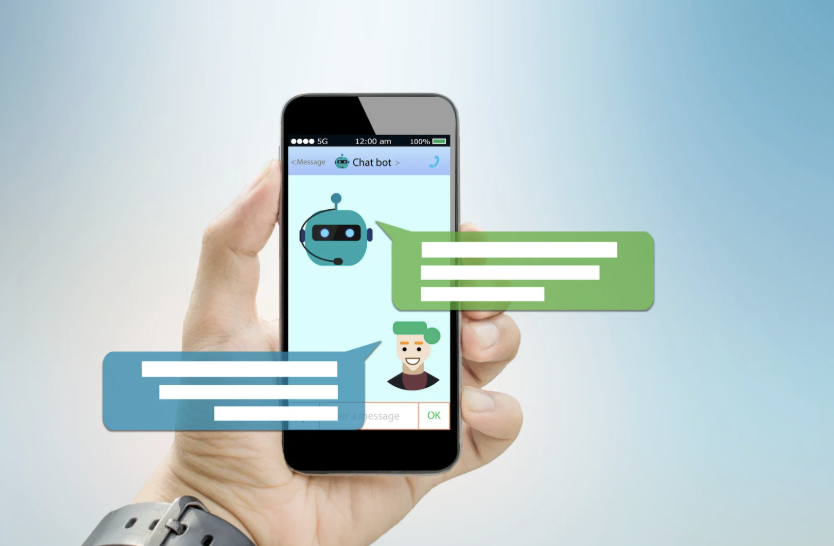
An AI chatbot gives visitors a simple way to start a conversation without picking up the phone or searching through multiple pages.
Instead of forcing the visitor to figure everything out alone, the chatbot can ask helpful questions such as:
What service are you looking for?
Are you a new or existing customer?
How soon do you need help?
What area are you located in?
What is the best number or email for follow-up?
This turns passive browsing into active engagement.
A visitor who might have left the site now becomes a captured lead with useful information attached.
Better Lead Qualification Before the First Call
Not every website lead is equal. Some people are ready to book. Others are still researching. Some are outside the service area or looking for something the business does not offer.
AI chatbots help separate high-intent leads from low-intent visitors by collecting key details upfront.
For example, a chatbot can identify:
Urgent service requests
High-value service inquiries
New customer opportunities
Location-based fit
Preferred appointment timing
Contact information
This gives the business a clearer picture of who the lead is and how quickly they should be followed up with.
Instead of receiving a vague form submission, the team receives a more complete lead summary.
Chatbots Reduce Missed Opportunities After Hours
Many people search for local services outside normal business hours. They may be browsing at night, early in the morning, or over the weekend.
If the only option is to call during office hours, that lead may never come back.
AI chatbots allow the business to keep capturing leads even when the team is unavailable. The chatbot can answer basic questions, collect information, and prepare the lead for follow-up.
This does not replace the team. It simply makes sure interested visitors are not lost because no one was available at the exact moment they visited the website.
Why Chatbots Work Best With Voice Agents
AI chatbots are powerful, but they become even more effective when paired with AI voice agents.
Some visitors prefer typing. Others want to call. Some start in chat and then need a phone conversation. A strong AI lead conversion system supports both behaviors.
Together, AI chat and voice agents can:
Capture leads from multiple channels
Answer common questions faster
Qualify prospects before staff follow-up
Route urgent requests properly
Reduce front desk overload
Improve response consistency
This creates a smoother experience for both the customer and the business.
CRM Integration Makes the Lead Actionable
The biggest benefit of AI chatbots is not just the conversation. It is what happens after the conversation.
When the chatbot integrates with a CRM like GoHighLevel, the lead can be automatically saved, tagged, summarized, and routed into the right workflow.
That means:
No copying and pasting chat details
No missed contact information
No forgotten follow-ups
No guessing what the visitor wanted
The team can open the CRM and see exactly what happened, what the lead asked for, and what action should happen next.
This is where AI chatbots move from being a website feature to a real lead conversion tool.
Final Thoughts
AI chatbots help local businesses convert more of the traffic they are already paying for.
They engage visitors instantly, answer common questions, collect important lead details, and keep opportunities from slipping away after hours. When combined with AI voice agents and CRM automation, they create a stronger system for capturing and qualifying leads.
For businesses that want more appointments, better follow-up, and fewer missed opportunities, AI chatbots are no longer optional.
They are a key part of modern lead conversion.
The reason is simple: most website visitors never become leads. Even when businesses spend heavily on Google Ads, SEO, social media campaigns, and landing pages, many visitors leave without ever calling or filling out a form. Often, it is not because they are uninterested—it is because they did not receive quick enough engagement.
AI chatbots help solve that problem by creating immediate interaction. Instead of forcing visitors to search through pages or wait for a callback, the chatbot starts a conversation instantly. It can answer questions about services, pricing, scheduling, availability, insurance, or next steps while the visitor is still actively interested.
That speed matters because customer attention is short. People comparing local businesses often contact multiple providers at once. The business that responds first and communicates clearly usually has the best chance of winning the customer. AI chatbots help businesses compete at that level consistently.
Another major advantage is lead capture. Many visitors leave websites without sharing any contact information. AI chatbots help reduce that loss by collecting names, phone numbers, emails, and service requests before the visitor exits the site. This allows businesses to continue the conversation later through follow-up calls, texts, or email sequences.
AI chatbots also improve lead qualification. Instead of collecting only basic contact details, they can ask structured questions about customer needs, urgency, location, appointment preferences, or budget. This gives businesses more context before follow-up begins and helps teams focus on higher-quality opportunities first.
Availability is another important factor. Potential customers browse websites at all hours, including evenings, weekends, and holidays. Without automation, many of those inquiries would go unanswered until the next business day. AI chatbots keep businesses responsive 24/7, helping capture leads even when the team is unavailable.
When connected with AI voice agents, the process becomes even more powerful. Chatbots can engage website visitors while voice agents manage inbound calls, callbacks, appointment confirmations, and follow-up communication. Together, they create a much smoother and more connected lead response system.
CRM automation strengthens the process even further. Instead of leads being scattered across forms, messages, and call logs, all information can be organized automatically inside one system. AI can trigger workflows, reminders, nurture campaigns, and appointment scheduling sequences without requiring constant manual effort from staff.
This creates a more reliable customer journey from first interaction to booked appointment. Leads move through a structured system rather than depending entirely on human availability or memory.
AI chatbots also improve operational efficiency. Staff no longer need to answer every repetitive question or constantly monitor incoming website inquiries. Automation handles the initial communication layer, allowing employees to focus more on customer service, consultations, and closing opportunities.
Most importantly, AI chatbots help businesses maximize the value of the marketing they are already paying for. More traffic only matters if it turns into conversations and customers. AI helps businesses capture more opportunities from existing website visitors instead of losing them due to delayed response or lack of engagement.
In today’s competitive market, responsiveness is becoming one of the biggest advantages a local business can have. AI chatbots, voice agents, and CRM automation work together to create a faster, more organized, and more conversion-focused communication system that helps businesses grow more efficiently.