Why Faster Lead Response Starts With AI Agents
Why Faster Lead Response Starts With AI Agents
AI voice and chat agents are changing the way businesses handle leads. In a world where speed matters, the companies that respond first often win the customer. Yet many businesses still rely on office staff, missed calls, and delayed follow-up to manage new inquiries.
That creates a major problem.
When a lead reaches out and does not get an immediate response, interest drops fast. The longer the delay, the lower the chance of conversion. For local businesses, that can mean missed revenue every single day.
This is why AI voice and chat agents are becoming such an important part of modern lead conversion systems.
They solve the timing gap that exists in most businesses. Instead of relying on availability, AI ensures that every call is answered, every message is acknowledged, and every inquiry is handled instantly. This keeps prospects engaged at the moment they are most interested, which is often the difference between winning and losing a customer.
AI also brings structure and direction to conversations. Rather than generic or inconsistent responses, leads are guided through a clear process—understanding their needs, collecting relevant details, and moving them toward a specific next step. Whether it is booking an appointment, requesting a quote, or scheduling a call, AI helps turn interest into action.
Another key advantage is consistency. Every interaction is handled in a professional and uniform way, regardless of the time of day or how busy the team is. This builds trust and creates a better overall customer experience, which directly impacts conversion rates.
AI agents also improve how businesses handle follow-up. Many leads do not convert immediately, and without proper follow-up, they are often lost. AI can automatically send reminders, check-ins, and updates, keeping the conversation active and increasing the likelihood of conversion over time.
As lead volume grows, AI provides the scalability needed to handle demand without delays or missed opportunities. It supports teams by managing repetitive communication, allowing them to focus on closing deals and delivering services.
Ultimately, AI voice and chat agents transform lead handling into a reliable system rather than a reactive task. They ensure that every opportunity is captured, every interaction has purpose, and more leads turn into real customers.
In a competitive market where speed and responsiveness define success, businesses that adopt AI are better positioned to convert demand into consistent revenue growth.
The Lead Conversion Gap Most Businesses Still Have
Many businesses are already investing in lead generation.
They run Google Ads.
They improve SEO.
They build landing pages.
They use social media and paid campaigns.
All of that creates attention and brings in inquiries.
But generating a lead is only the first step.
What happens after the call, form, or message is what determines whether that lead becomes a customer. And in many cases, the process breaks down because:
Calls come in after business hours
Website visitors leave before getting answers
Front desk staff are too busy to respond quickly
Follow-up gets delayed or forgotten
Urgent leads go cold before anyone reaches out
This is where AI voice and chat agents make a measurable difference.
What AI Voice and Chat Agents Actually Do
AI voice and chat agents are designed to engage leads instantly. Instead of making a prospect wait for a callback or forcing them to leave without answers, these systems respond in real time.
They can:
Answer inbound phone calls
Reply to website chat inquiries
Ask qualifying questions
Collect contact details
Handle common objections
Route urgent situations properly
Push information into the CRM automatically
That means every inquiry has a better chance of being captured, organized, and followed up on.
AI Voice Agents Capture High-Intent Calls
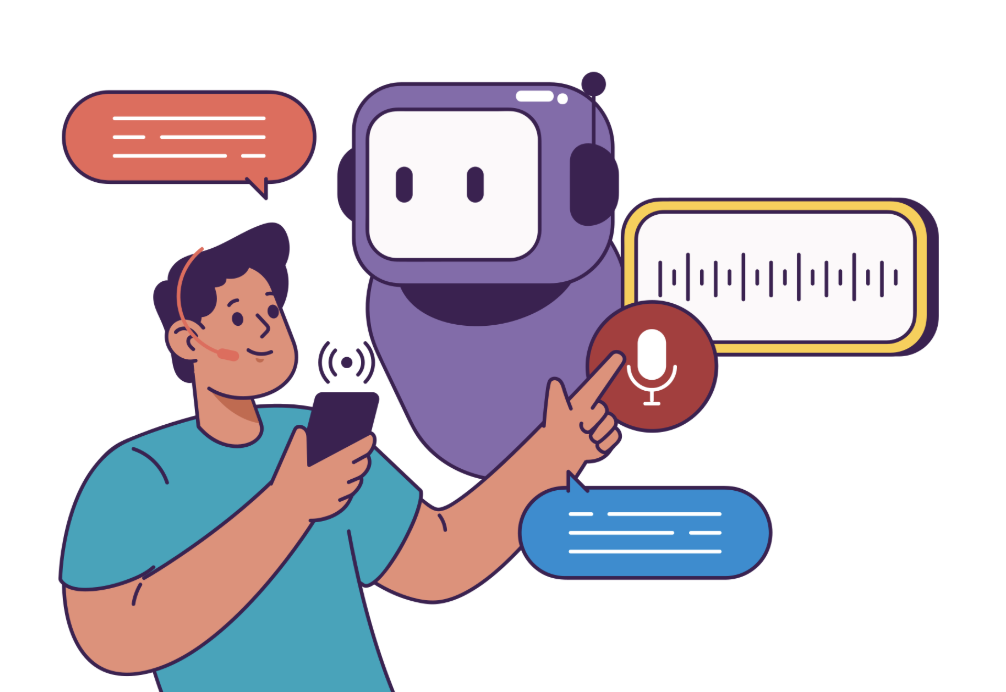
Phone calls are often the highest-intent leads. Someone calling your business is usually looking for help now, not later.
The problem is that many of these calls are missed.
AI voice agents solve that by answering when staff cannot. They can speak naturally, collect key information, understand urgency, and keep the conversation moving.
This is especially valuable for local businesses where missed calls often mean lost revenue, such as:
Dental offices
Home service companies
Legal firms
Med spas
Contractors
Chiropractors
Roofing and HVAC businesses
A live lead on the phone should never go unanswered. AI voice agents make that possible without adding more pressure to the team.
AI Chat Agents Help Convert Website Traffic
Not every lead wants to call right away.
Some people prefer to ask a quick question through chat before taking the next step. If no one is there to respond, they often leave the website and never come back.
AI chat agents keep those leads engaged by answering instantly, guiding them through the next step, and collecting information for follow-up.
They can help with things like:
Service questions
Scheduling interest
Pricing-related screening
Location and availability questions
Lead qualification before handoff
This turns more website visitors into actual opportunities instead of lost traffic.
Better Qualification Means Better Follow-Up
Not every lead is the same.
Some are ready now. Some are just researching. Some have urgent needs. Others are not a fit.
AI voice and chat agents improve lead conversion by helping businesses identify the difference early. Instead of sending every lead into the same process, AI can gather context before the human team ever steps in.
That leads to:
Better prioritization
Faster response to high-value leads
Cleaner CRM data
Stronger follow-up workflows
Less wasted time for staff
When a team starts the day with organized information instead of scattered voicemails and half-complete notes, conversion improves.

AI Supports Your Team Instead of Replacing It
A common misconception is that AI is meant to replace employees.
In reality, the best AI systems support the team by handling the repetitive, time-sensitive parts of communication that are hardest to manage consistently.
That includes:
After-hours responses
Basic question handling
Lead intake
Initial qualification
Missed call recovery
Data entry into CRM systems
This allows staff to focus on the parts of the process that require human attention, such as closing, relationship-building, and complex customer needs.
AI does not remove the human experience. It protects it by making sure leads are not lost before your team even gets involved.
Final Thoughts
AI voice and chat agents are not just communication tools—they are conversion tools.
They help businesses respond faster, capture more opportunities, qualify leads better, and create a smoother path from inquiry to customer. In a competitive market, that kind of speed and consistency can make a major difference.
What sets AI apart is its ability to influence the entire lead journey, not just the first interaction. From the moment a prospect reaches out, AI ensures there is no delay, no confusion, and no missed step. Every inquiry is acknowledged instantly, which keeps the lead engaged and prevents drop-off at the most critical stage.
Beyond speed, AI improves how leads are handled. Instead of unstructured conversations, it guides prospects through a defined flow—asking the right questions, identifying intent, and collecting key details. This early qualification means businesses spend more time on high-value opportunities and less time chasing unqualified leads.
It also removes friction from the customer experience. Prospects do not have to wait, repeat themselves, or struggle to get basic information. They get clear answers and a direct path forward, whether that is booking an appointment, requesting a quote, or speaking with a team member. This ease of interaction plays a major role in improving conversion rates.
Consistency is another critical factor. AI ensures that every lead receives the same level of attention and professionalism, regardless of when they reach out. This builds trust and reinforces the reliability of the business, which is often a deciding factor for customers choosing between competitors.
AI also strengthens follow-up, which is where many businesses lose potential revenue. Not every lead converts immediately, and without consistent follow-up, opportunities fade. AI keeps leads engaged through automated reminders, check-ins, and re-engagement messages, increasing the chances of conversion over time.
Operationally, this creates a more efficient system. Teams are no longer stretched thin trying to respond to every inquiry in real time. Instead, AI handles the front-end communication, allowing staff to focus on closing deals and delivering services. This balance improves both productivity and outcomes.
As businesses grow, AI provides the scalability needed to handle increasing lead volume without sacrificing quality or response time. It turns what is often a chaotic, reactive process into a structured, reliable system that consistently produces results.
If a business wants to improve lead conversion without overwhelming its staff, AI is no longer optional—it is becoming one of the most practical and effective ways to turn more inquiries into revenue.